

By Olivia Garcia
Tempe is facing growing pressure on several fronts—homelessness policy disputes, a proposed sales tax increase ahead of an upcoming vote, and expanded funding for human services. These developments are shaping how residents and city leaders understand safety, support, and spending priorities.
Enforcement vs. Compassion: Homeless Policy in Question
Advocacy groups have raised alarms that city laws on urban camping and public trespassing are being enforced in ways that harm unhoused residents. Some say the punishment disproportionately affects people who already lack stable housing or reliable access to resources. Critics highlight instances where individuals were banned from public parks—limiting access to food distribution sites—and point out that legal and factual dismissals of citations don’t always receive enough attention.
The city, on its part, insists enforcement practices include education and that penalties for repeat violations are legal. City representatives say there is no separate enforcement standard based on housing status, though tensions remain high between service providers and municipal authorities.
Proposed Sales Tax Hike: Revenue, Services, or Burden?
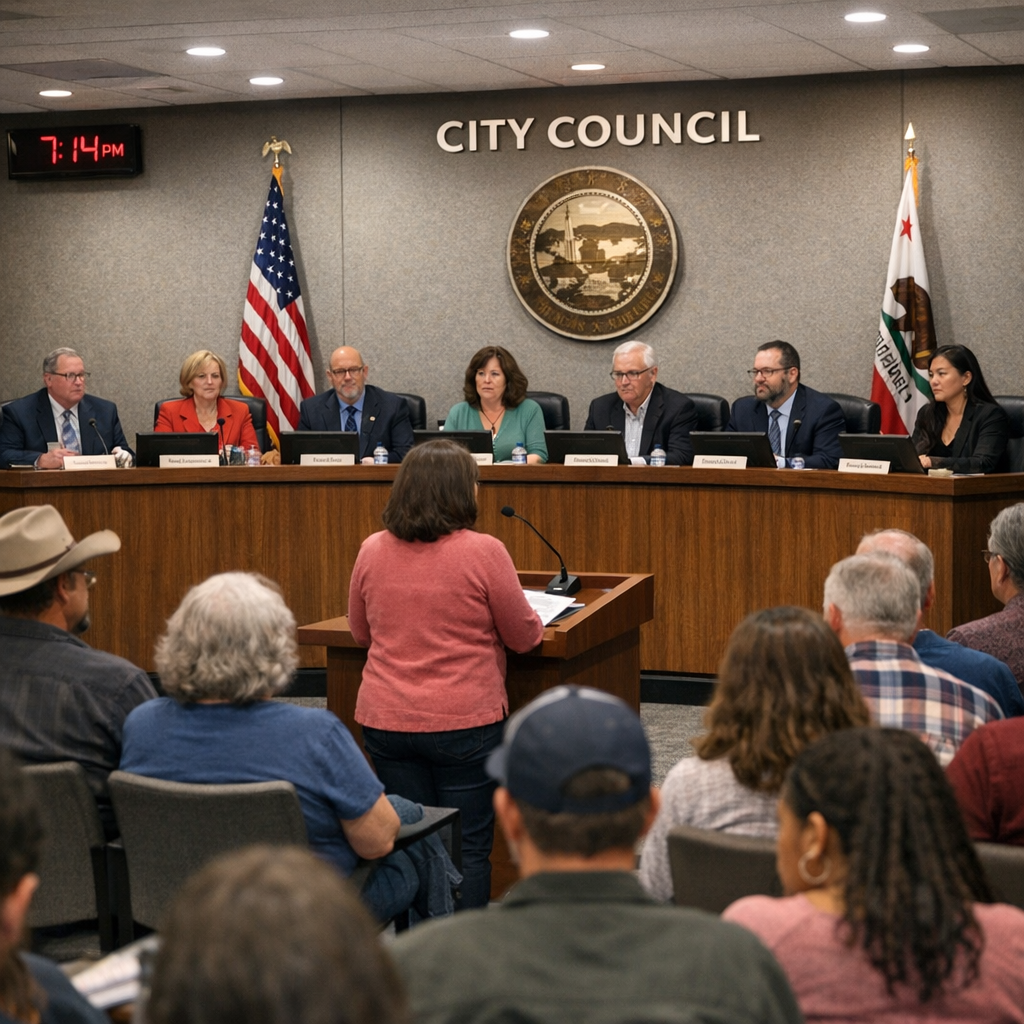
To close a projected $24 million budget shortfall, Tempe’s city council has approved a measure sending a 0.5% sales tax increase to the ballot. If residents approve it, the additional revenue would be divided among public safety, transit, and other city services—areas that many say already need more investment.
The proposal has drawn pushback too. Some residents warn that even a small tax increase hits lower-income households particularly hard. Others argue that long-term budget stability is essential and that the tax may be the least painful route to maintaining services that many depend on.
Investing in Community: Funding Priorities and Human Services
Meanwhile, human services funding has seen expansion. In the fiscal year 2025–26, the Tempe City Council approved over $1.1 million to support 43 different programs addressing homelessness, mental health, addiction, housing instability, youth needs, and more. These agencies are funded partially through Together Tempe donations and city budget allocations.
Also notable is the recent and ongoing needs assessment conducted by the Tempe Community Council with ASU’s research partners. It identified core priorities: access to health care, affordable housing, transportation, and economic opportunity. That assessment will help direct future funding allocations.
Looking Forward: Questions Residents Should Ask
- How will changes in enforcement impact vulnerable populations, and what oversight is in place?
- If the sales tax increase passes, how will the funds be distributed, and will there be transparency in outcomes?
- Do city human service investments align with the lived experiences expressed in the needs assessment?
Tempe is confronting an intersection of public safety, compassion, and fiscal responsibility. The choices made this year could reshape the experience of thousands of residents—especially those most at risk.